
Last updated November 2, 2026
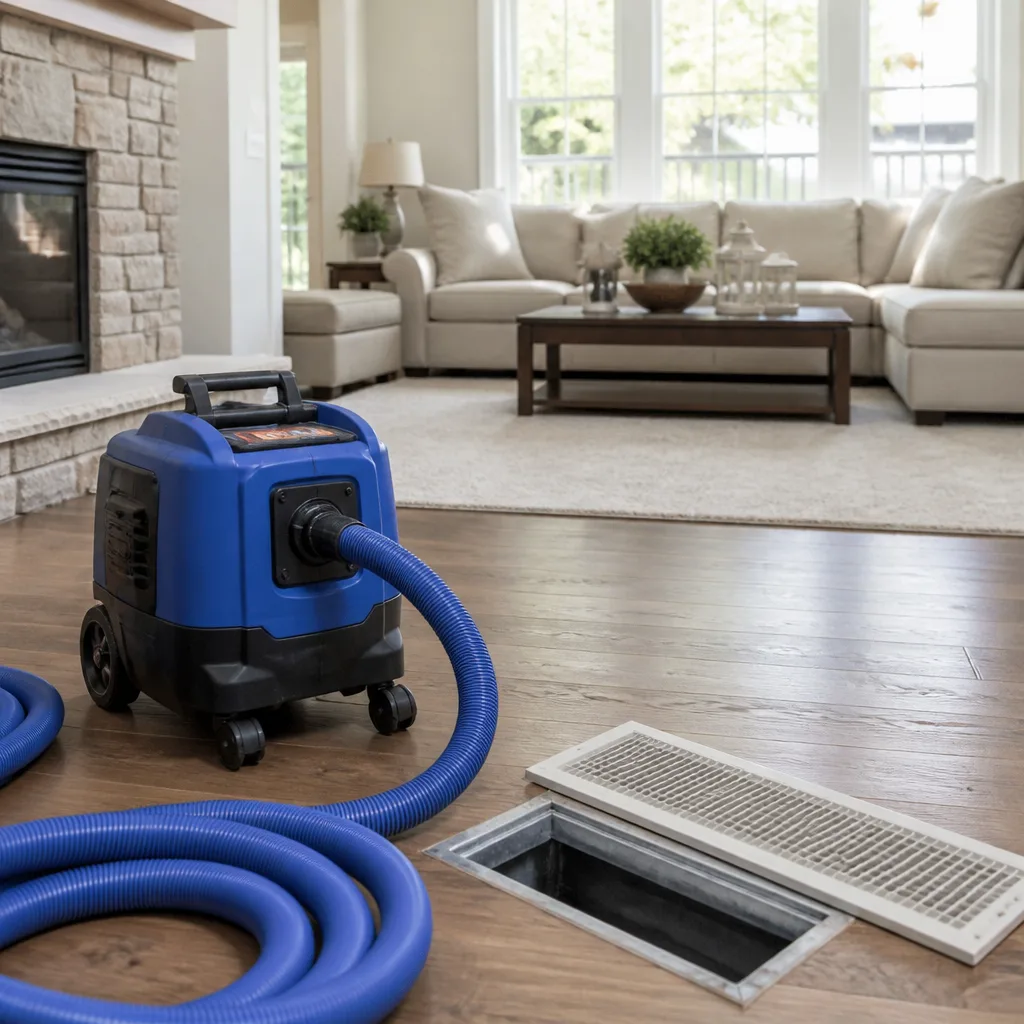 Whole-home duct cleaning
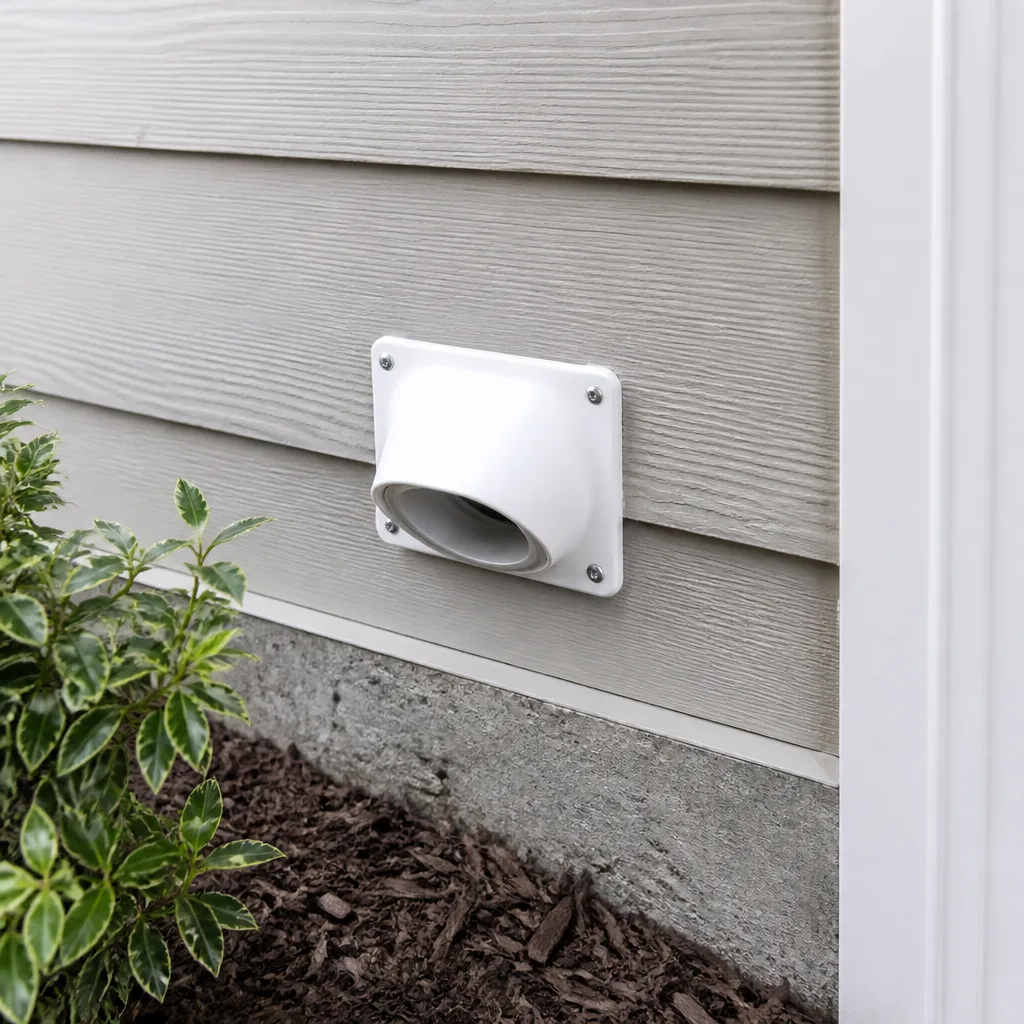 Dryer vent cleaning
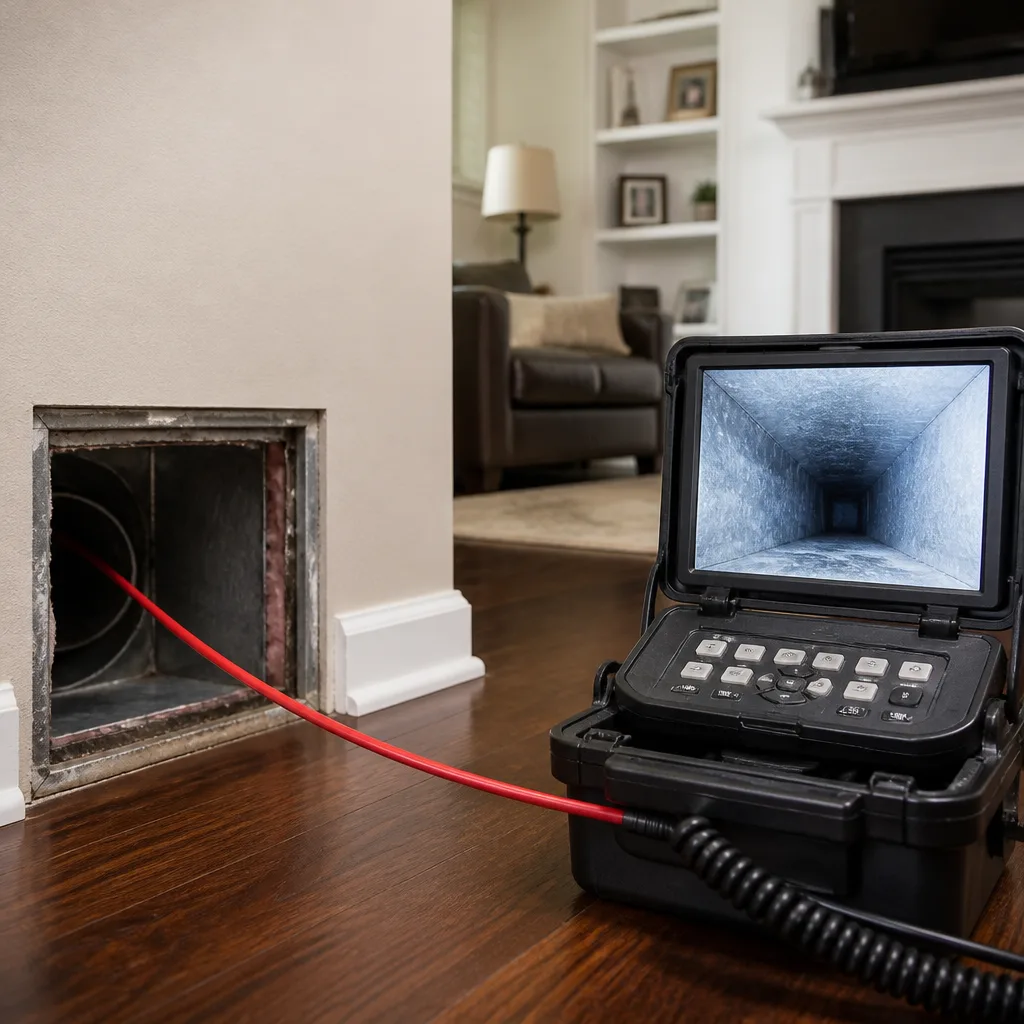 Camera inspection
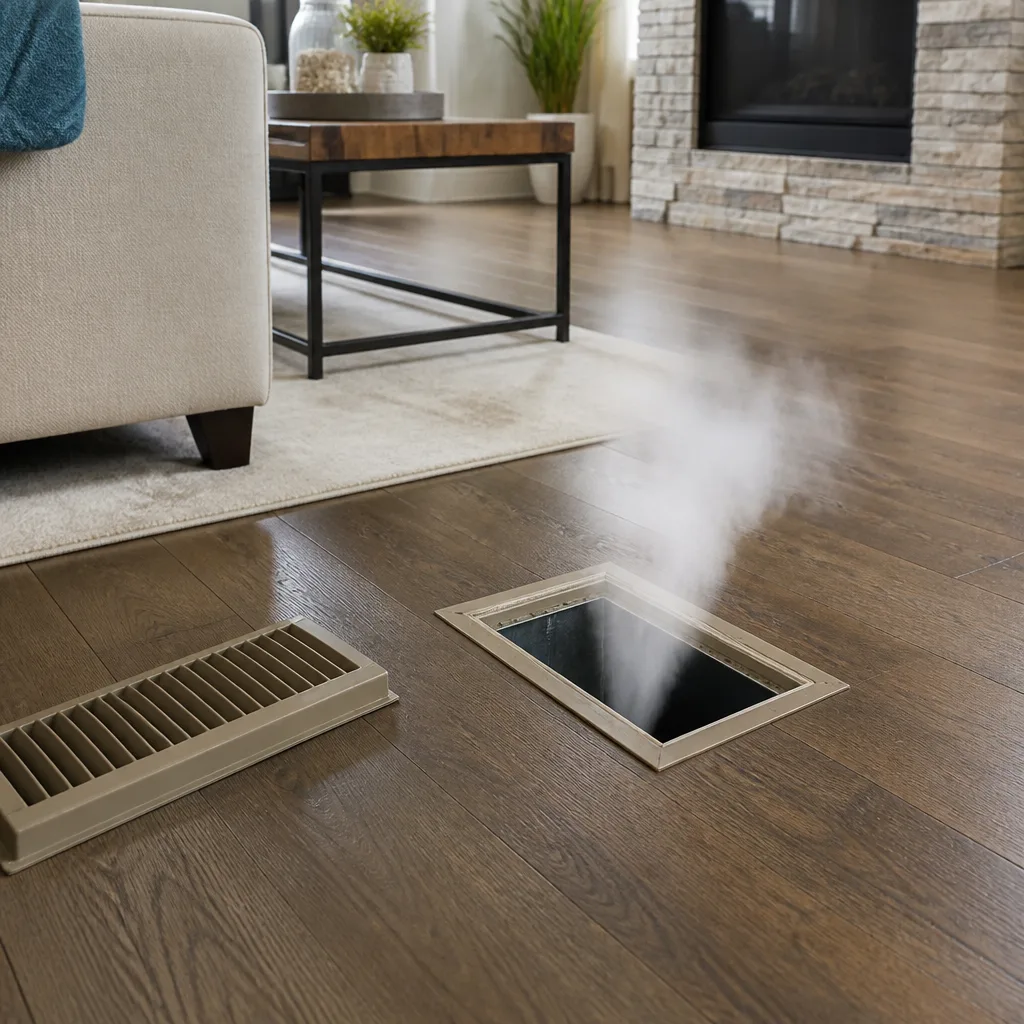 Sanitizing & deodorizing
Whole-system duct and dryer vent check with before-and-after photos - you see exactly what came out of your vents
That "$99 whole-house special" is a bait ad - the real number appears once they are in your hallway, or the "clean" is a shop-vac at the register. We photograph the inside of your ducts before and after instead.
DIY vs Professional Air Duct Cleaning: The Cupertino Homeowner’s Decision Guide
You can absolutely clean your air ducts yourself. You’ll get the first foot of each register opening, and you’ll feel like the job is done. The problem is that the contamination actually affecting your air quality sits further in, past where any consumer tool reaches. This guide explains what’s realistically achievable with DIY methods, where the line is between maintenance and actual cleaning, and how to decide which approach makes sense for your Cupertino home. By the end, you’ll know exactly what you’re paying for when you hire a professional, and what you’re not getting when you don’t.
Quick Answer
DIY air duct cleaning with a consumer vacuum and a dryer vent brush reaches about 18 inches into your duct system, which is roughly 10 to 15 percent of the total surface area. Professional-grade cleaning with negative-pressure containment and rotary brush systems reaches the full duct run, including the main trunk lines where most respirable dust, allergens, and post-renovation debris actually accumulate. For routine register wipe-downs between services, DIY works. For anything past the register boot, it’s a surface-level gesture, not a cleaning.
Styles & brands we work with
- Whole-home duct cleaning
- Dryer vent cleaning
- Camera inspection
- Sanitizing & deodorizing
Table of Contents
- The Anatomy of a Cupertino Duct System: What You Can and Cannot Reach
- Where DIY Actually Delivers Value: Maintenance Between Professional Cleanings
- When DIY Is the Wrong Call: Specific Cupertino Scenarios
- Equipment Reality Check: What a HEPA Shop Vac Can’t Do
- The Real Cost Comparison: DIY Investment vs. Professional Service
- Step-by-Step: What a Proper Professional Cleaning Looks Like
- How to Choose a Professional: Questions Cupertino Homeowners Should Ask
The Anatomy of a Cupertino Duct System: What You Can and Cannot Reach
Most Cupertino homes built between the 1960s and 1990s run forced-air heating and cooling through sheet metal ductwork installed beneath the floor or in the attic. A typical 2,000-square-foot single-story home in neighborhoods like Rancho Rinconada or Monte Vista has anywhere from 8 to 14 supply registers and 2 to 4 return grilles, connected by a network of branch lines feeding into one or two main trunk lines.
Here’s what the layout means for any cleaning attempt:
- Register boots (the first 12 to 18 inches): This is what you see when you remove a floor or wall register. Consumer tools reach this section easily. It’s also the fastest area for dust to accumulate because it’s where air velocity drops as it enters the room.
- Branch lines (typically 6 to 8 inches in diameter, 5 to 15 feet long): These run from the trunk line to each register boot. A long hose can push into the first few feet from the register opening, but friction limits how far. Without agitation, dust adhered to the duct walls stays put.
- Main trunk lines (typically 12 to 24 inches wide, running the length of the home): These are completely inaccessible from any register opening without specialized equipment. The trunk line carries the highest air volume and the most accumulated contaminants. It’s also where we consistently find the heaviest buildup in Cupertino homes.
- Return air plenum and filter cabinet: The return side pulls air back toward the furnace. It’s under negative pressure when the system runs, which means it draws dust from living spaces continuously. Simple filter changes help, but the plenum itself accumulates a fine gray film that needs mechanical agitation to remove.
Understanding this layout matters because it explains the core limitation of DIY: every consumer tool works from the register opening outward, but the highest-impact cleaning happens from the trunk line outward. The trunk line is where the air actually channels through before splitting into your rooms. Leaving it untouched means the bulk of your system, and the bulk of what your lungs encounter, stays dirty.
For a full Air Duct Cleaning in Cupertino, professionals access the trunk line through a cut-in access point or by removing the furnace filter and working both directions. That’s not a DIY project.
Where DIY Actually Delivers Value: Maintenance Between Professional Cleanings
Let’s be honest about what DIY is genuinely good for. It’s not nothing. The maintenance work you can do between professional visits makes a measurable difference, especially in Cupertino, where we get long dry stretches from April through October that keep windows shut and recirculating the same indoor air. Here’s what actually helps:
- Register face and boot wipe-downs every 2 to 3 months: Remove the register cover, wash it with warm soapy water, and wipe the inside of the boot with a damp microfiber cloth as far as your hand reaches. This prevents visible dust from blowing into rooms and reduces the load on your filter.
- Filter upgrades and replacement discipline: A MERV 11 or 13 filter from a brand like Aprilaire captures far more airborne particulate than the standard fiberglass MERV 4 filters many Cupertino homes run. Change it every 60 to 90 days, more often if you have pets or live near the hills where oak pollen is heavy in spring.
- Dryer vent lint clearing from the exterior termination point: You can clear the first few feet of the dryer vent using a lint brush kit, which reduces the immediate fire hazard. The limitation is the same as with air ducts: the brush reaches maybe 4 to 6 feet in. For a 15 to 20 foot run, that still leaves the majority coated.
- Visual inspection of the register faces and return grilles: Monthly, look for dust buildup, unusual odors, or visible mold at the register face. Catching signs early means you call before a minor issue becomes a full contamination event.
These tasks don’t clean your ducts. What they do is extend the interval between professional cleanings and keep your system running efficiently. Think of it like brushing your teeth between dental visits. It keeps things from getting worse. It doesn’t remove the plaque that’s already there. Use our Duct Cleaning Cupertino home guide to understand what full service involves.
For dryer vents specifically, keep in mind that lint is a leading cause of residential fires. The Dryer Vent Cleaning in Cupertino service uses purpose-built equipment for full-length vent runs, not improvised tools.
When DIY Is the Wrong Call: Specific Cupertino Scenarios
There are situations where opening up your registers and poking around with household tools ranges from pointless to actively harmful. Based on what we’ve encountered across Cupertino homes, these are the scenarios where you should skip the DIY attempt entirely:
- Post-renovation dust: Cupertino has seen steady remodeling activity for decades, from Eichler restorations in Monta Vista to kitchen remodels in West San Jose adjacent to Cupertino. Drywall dust is extremely fine, statically charged, and adheres aggressively to duct walls. Consumer vacuums without true HEPA filtration simply recirculate it into the air you’re trying to clean. This requires negative-pressure containment.
- Suspected rodent or pest intrusion: Roof rats are a documented issue in Cupertino, particularly in neighborhoods with older homes and mature landscaping. If you hear scratching in walls or attic spaces, or see droppings near return grilles, do not open the ducts yourself. Rodent droppings pose a genuine health risk. This requires assessment and professional-grade containment.
- Visible mold at the register face or inside the boot: If you pull a register in a Cupertino home and see black, green, or brown staining, you’re not looking at a dust problem. Mold in ducts requires assessment of the source moisture issue first, then professional remediation or at minimum mechanical cleaning with HEPA containment. Brushing it yourself disperses spores throughout the living space.
- Unexplained respiratory symptoms in the household: If someone in the home has chronic allergies, asthma, or recurring sinus issues that worsen when the HVAC runs, the problem is likely in the deep ductwork or the return plenum. That’s past the reach of any consumer tool, and guessing won’t resolve it.
- System is 10+ years old with no documented cleaning history: A Cupertino home built in the 1980s with original ductwork has had four decades of dust, pet dander, and skin cells accumulating on the duct walls. This isn’t a wipe-down situation. It needs mechanical agitation and extraction.
We’ve seen homeowners spend entire weekends on DIY attempts in these scenarios, only to call us afterward when the problem persisted. The false sense of completion is the real risk. You think it’s handled, so you stop looking. Meanwhile, the source of the problem remains undisturbed.
Equipment Reality Check: What a HEPA Shop Vac Can’t Do
Let’s get specific about the equipment gap, because this is where DIY efforts usually fall apart. The most common DIY setup is a shop vac with a HEPA filter and a 20 to 25 foot flexible hose, sometimes paired with a dryer vent brush attached to a drill. Here’s what that setup does and doesn’t achieve:
- Airflow volume: A good consumer shop vac pulls 150 to 200 CFM of airflow with a clean filter. A professional truck-mounted or portable rotary brush system pulls 2,000 to 4,000 CFM, and negative-pressure systems use equipment like Abatement Technologies units designed specifically for containment. That’s 10 to 20 times the air volume. The airspeed difference is what actually carries dislodged debris out instead of leaving it floating.
- Reach: A 20-foot hose with a brush attached can push 8 to 12 feet down a branch line when the duct is straight. Real duct systems have elbows, transitions, and trunk connections at varying angles. The hose friction, the angles, and the lack of mechanical agitation beyond the brush tip mean the tool cleans a narrow path through a system that’s wide and branching.
- Agitation method: A spinning dryer vent brush inside a branch line will knock loose some debris. But it can’t apply even, controlled pressure along the full circumference of the duct wall. A professional rotary brush system like Rotobrush maintains contact across the duct surface while simultaneously pulling dislodged debris backward with negative pressure. The brush agitates, the vacuum extracts, simultaneously. That’s the missing piece in any DIY attempt.
- Containment: When you open a register and start vacuuming with a shop vac, even one with a HEPA filter, you’re working in an open system. The duct is open at the register, open at the filter cabinet, and open at every other register in the home. What you dislodge, you push deeper or circulate out other openings. Professional setups seal the system to create negative pressure, so everything loosened gets pulled to a single capture point rather than redistributed.
The honest comparison: a shop vac is a point-source suction device. A duct system is a network requiring whole-system containment and directed extraction. Different tools for different jobs, and the gap isn’t closeable with a longer hose.
The Real Cost Comparison: DIY Investment vs. Professional Service
Most DIY decision-making starts with the price tag. A professional air duct cleaning in Cupertino for a typical single-family home runs between $450 and $850, depending on system size and complexity. That’s the number that motivates the DIY question. But a fair comparison accounts for what you’ll actually spend on the DIY side:
- Shop vac with HEPA filtration: $120 to $250 for a unit capable of meaningful airflow, if you don’t already own one. A standard non-HEPA shop vac is worse than useless for this application, it recirculates the fine particulate you’re trying to remove.
- Duct brush kit with extension rods: $40 to $120 for a basic kit. Higher-quality versions with more flexibility and better brush heads run more.
- Long hose reaching beyond the register boot: $50 to $100 for a 20 to 25 foot hose in the right diameter, if your existing hose is too short.
- Inspection camera: $80 to $200 for a basic model that can show you whether you actually cleaned anything. Without this, you’re working blind.
- Time: Realistically, a thorough DIY attempt takes a full weekend, 12 to 16 hours, when you include setup, cleaning each register, managing the shop vac, and cleaning up the mess the process itself generates. At even $25 per hour of your time, that’s $300 to $400 in labor.
Total DIY investment for a first-timer: $390 to $670, not counting the value of the time already spent researching and shopping. That’s within striking distance of the professional service cost, and the outcome isn’t comparable. And here’s the part most cost comparisons skip: a meaningful percentage of DIY attempts end in a professional follow-up anyway. The homeowner works a weekend, sees the inspection camera footage showing trunk lines still coated, and calls us. Now they’ve paid for the tools and the service.
If the goal is saving money long-term, the better strategy is to spend the DIY effort on maintenance tasks that genuinely extend professional cleaning intervals: filter changes, register wipe-downs, dryer vent exterior clearing. Spend the service budget on the deep cleaning that consumer tools simply can’t accomplish.
Step-by-Step: What a Proper Professional Cleaning Looks Like
Understanding what a professional service actually does makes the DIY comparison clearer. Here’s what the process looks like when it’s done correctly, and what you should expect from any company you hire in Cupertino:
- Pre-inspection and system documentation: The technician assesses the system layout, identifies access points, and documents the condition of duct surfaces with photos or video before work begins. You should see the “before” evidence yourself.
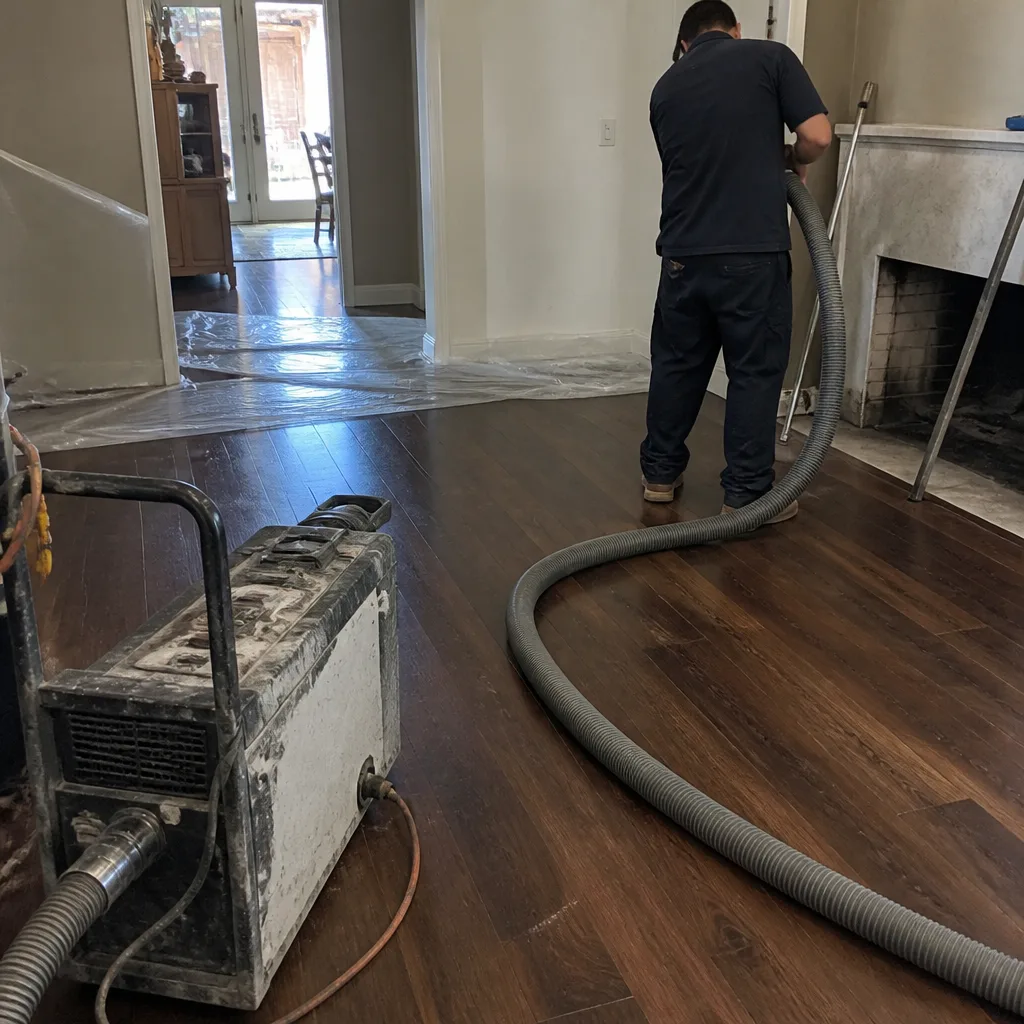
- Containment setup: The living area around each register is protected (this is where Guardsman-level protective standards matter, covering floors and nearby furnishings before equipment comes in). The HVAC system is shut down, and the duct network is sealed to prepare for negative pressure.
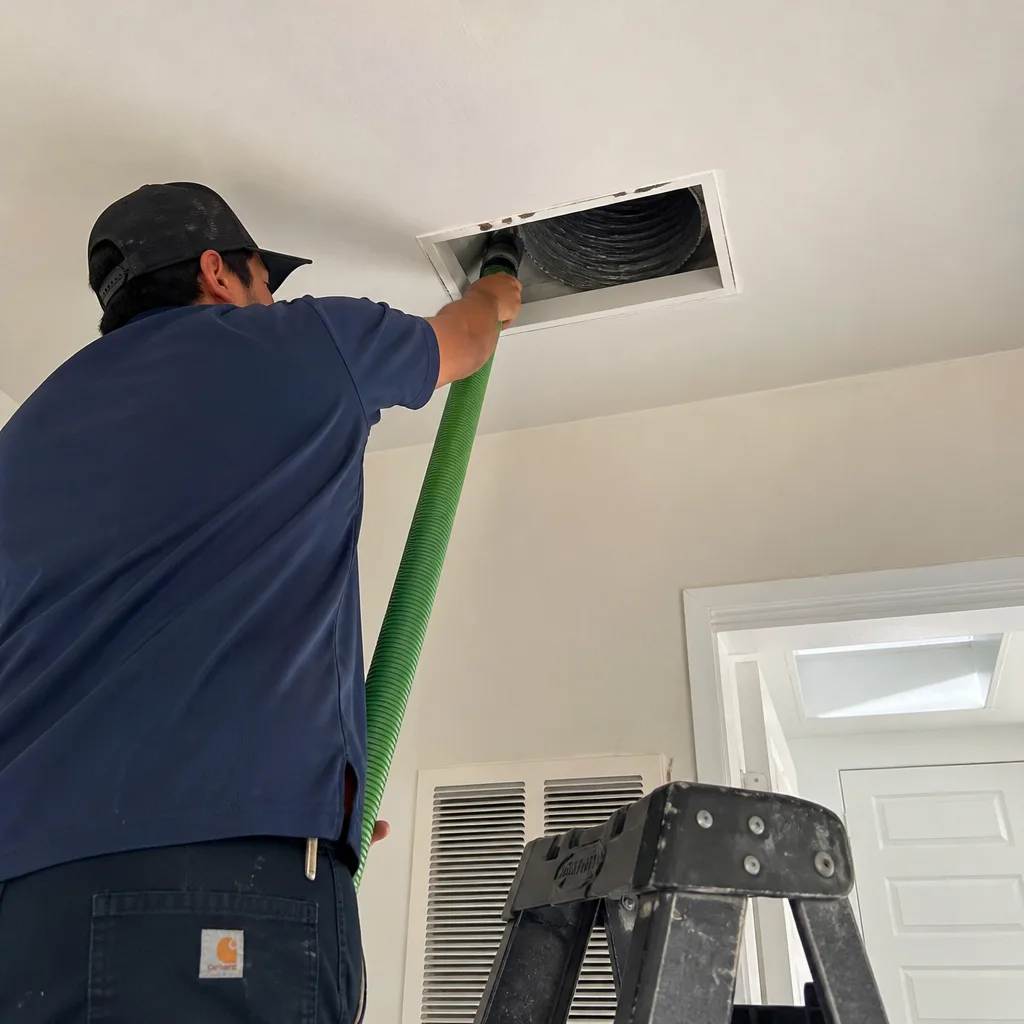
- Negative-pressure connection: A large-diameter vacuum line, typically 8 to 10 inches, is connected to the system, usually at the furnace or a cut-in access near the main trunk. This creates continuous suction throughout the entire duct network while the work proceeds.
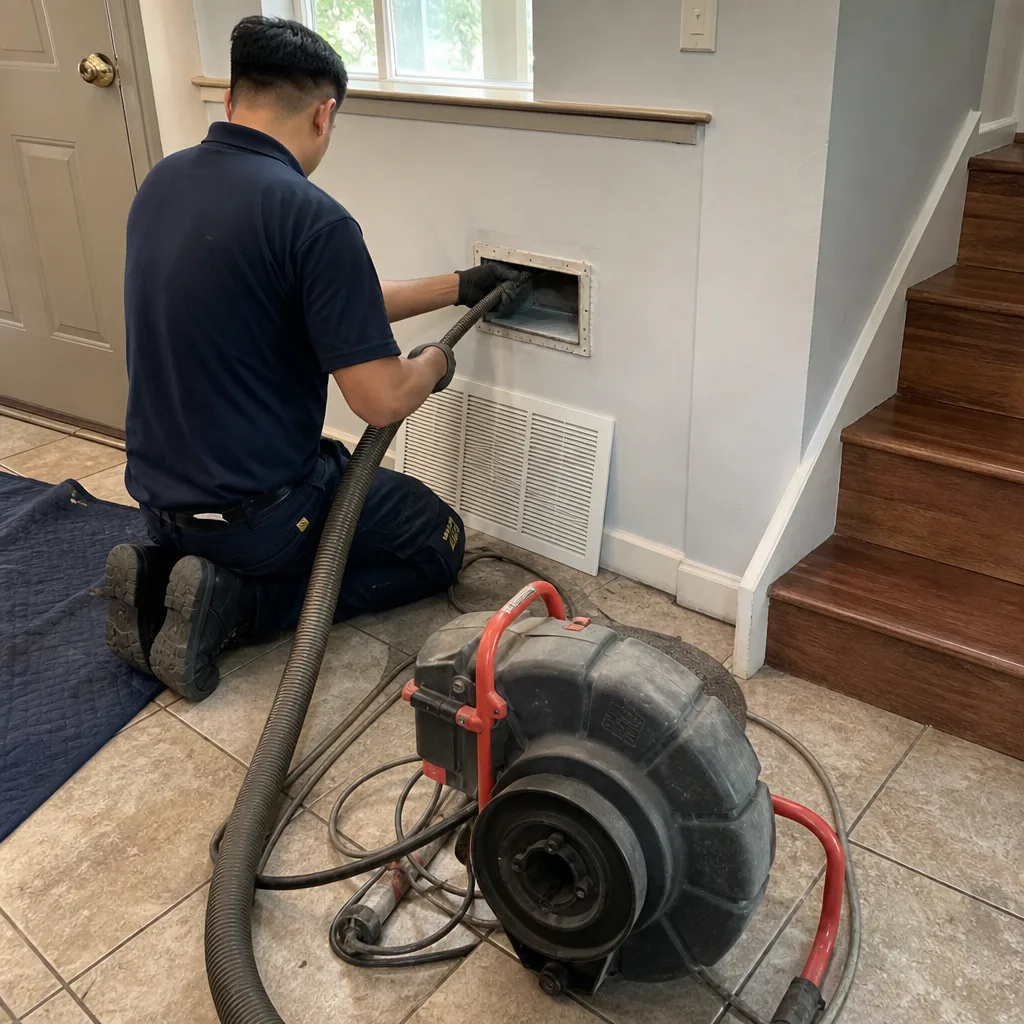
- Mechanical agitation of the trunk lines: A rotary brush system like Rotobrush is introduced through access points and run through the main supply and return trunk lines. The brush scrubs adhered debris from duct walls while the negative pressure pulls it immediately out of the system.
- Branch line cleaning: Each branch line is cleaned individually, working from the register opening toward the trunk connection. Tools sized to the branch diameter agitate the full interior surface.
- Return side and filter cabinet cleaning: The return plenum, filter housing, and blower compartment (when accessible) are cleaned to remove accumulated dust.
- Post-inspection and documentation: With Air Duct Cleaning in Cupertino done correctly, you receive post-cleaning photos or video showing the same access points from step one, now clean. This is the verification step that DIY simply can’t offer.
- Air quality recommendations: A knowledgeable technician will address filtration. Many Cupertino homes benefit from upgraded filtration through systems like Aprilaire media cabinets, which is a conversation a generalist usually skips.
The entire process typically takes 4 to 8 hours for a single-family home, depending on the number of registers and system configuration. That’s less time than the DIY attempt, with actual verification of results.
How to Choose a Professional: Questions Cupertino Homeowners Should Ask
If you’ve decided to hire a professional, the next decision is who. Duct cleaning attracts generalists, HVAC companies that offer it as an add-on, and specialists who do nothing else. The questions below separate the specialists from the generalists:
- “What equipment do you use?” Listen for brand names like Rotobrush, Nikro, or Abatement Technologies. These are the systems trusted by restoration and remediation professionals. A company that brings a consumer shop vac into your home is not delivering professional-grade cleaning, regardless of the price.
- “Do you seal the system for negative-pressure containment during cleaning?” If the answer is no, or a vague “we use high-powered vacuums,” you’re getting surface treatment, not deep cleaning. Negative pressure is the difference between extracting contaminants and redistributing them.
- “Do you provide before-and-after documentation?” You should be able to verify the work with photos or video from your own duct system. This is standard practice for companies that actually clean ducts and impossible for companies that don’t.
- “Do you also do dryer vent cleaning and duct repair?” A focused Dryer Vent Cleaning in Cupertino provider treats it as a fire-safety service with purpose-built equipment, not a discounted upsell. A company that also handles Air Duct Repair in Cupertino demonstrates enough system knowledge to recognize structural issues that a pure cleaning crew might miss.
- “What filtration upgrades do you recommend, if any?” A specialist who works with Honeywell and Aprilaire systems can discuss whole-home filtration options that reduce future dust load. A generalist typically sells the cleaning and moves on.
Common Mistakes to Avoid
- Using a non-HEPA shop vac for duct work: Standard shop vacs recirculate fine particulate into the air. You’ll create a visible dust cloud and spread the contamination you’re trying to remove. If the vacuum doesn’t have true HEPA filtration, keep it out of your ducts.
- Running the HVAC system during DIY attempts: With the blower running, whatever you dislodge gets pushed through the rest of the system and out every register in the house. Always shut the system down completely before doing any duct work.
- Falling for cheap coupon pricing from unknown companies: Bait-and-switch pricing is common in the duct cleaning industry. A $99 whole-home special is not a professional cleaning. Ask what the actual scope includes and what equipment they’ll bring before anyone arrives.
- Forgetting to clean or replace the filter after any duct work: Whether you do a surface wipe-down or a professional cleaning comes through, the filter is what catches ongoing particulate. A dirty filter means whatever was just cleaned gets re-contaminated quickly.
- Skipping the return side entirely: Homeowners focus on supply registers, where they see dust exiting. The return side pulls air back toward the furnace and is often dirtier than the supply side. Neglecting it means cleaning only half the system.
- Believing duct tape can seal a disconnected or damaged duct: Duct tape degrades within months in a hot attic, and it was never designed for that application. For actual damage, see Air Duct Repair in Cupertino, which is a separate issue from cleaning.
- Assuming “we just moved in” means the ducts are clean: Sellers in Cupertino routinely list homes without documented duct cleaning history. A new-to-you home means inheriting the previous occupants’ dust, pet dander, and whatever residue years of use left behind.
See the difference
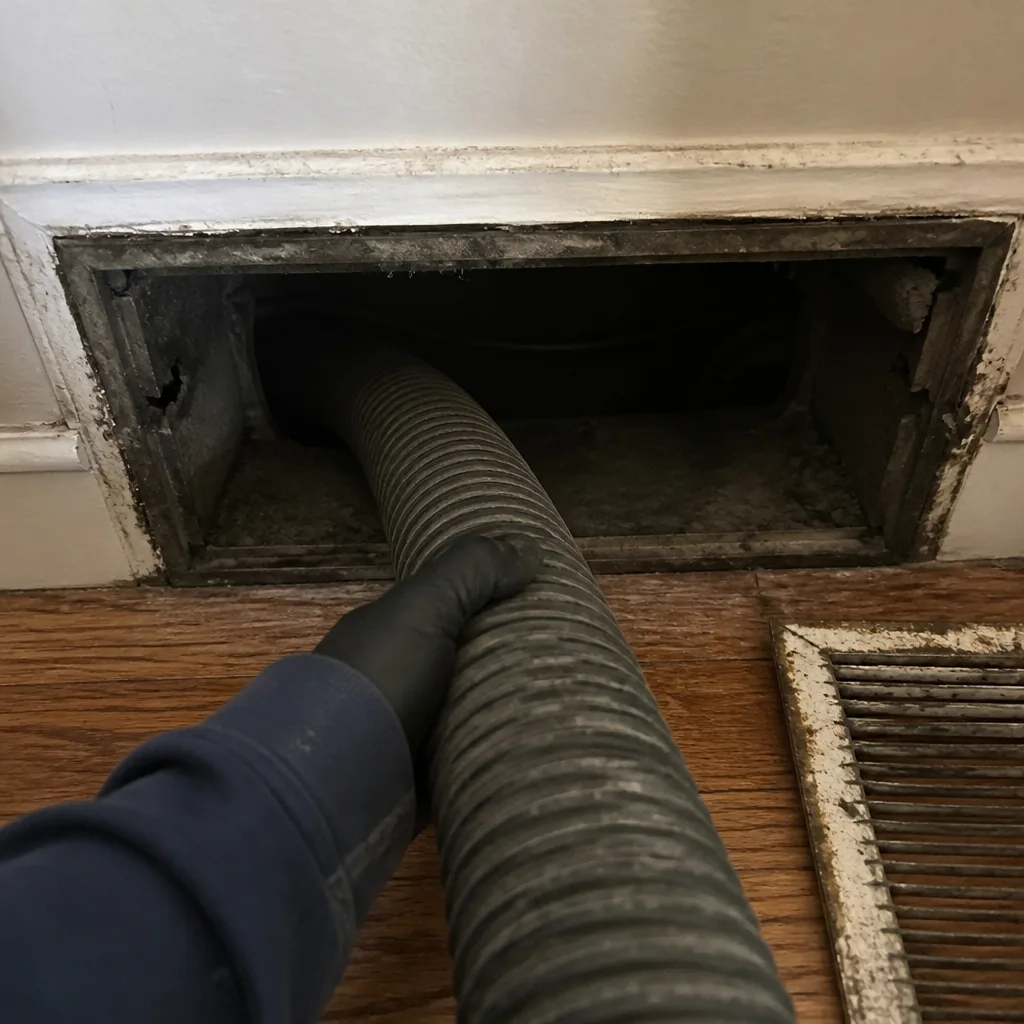 Before
 After
 Before
 After
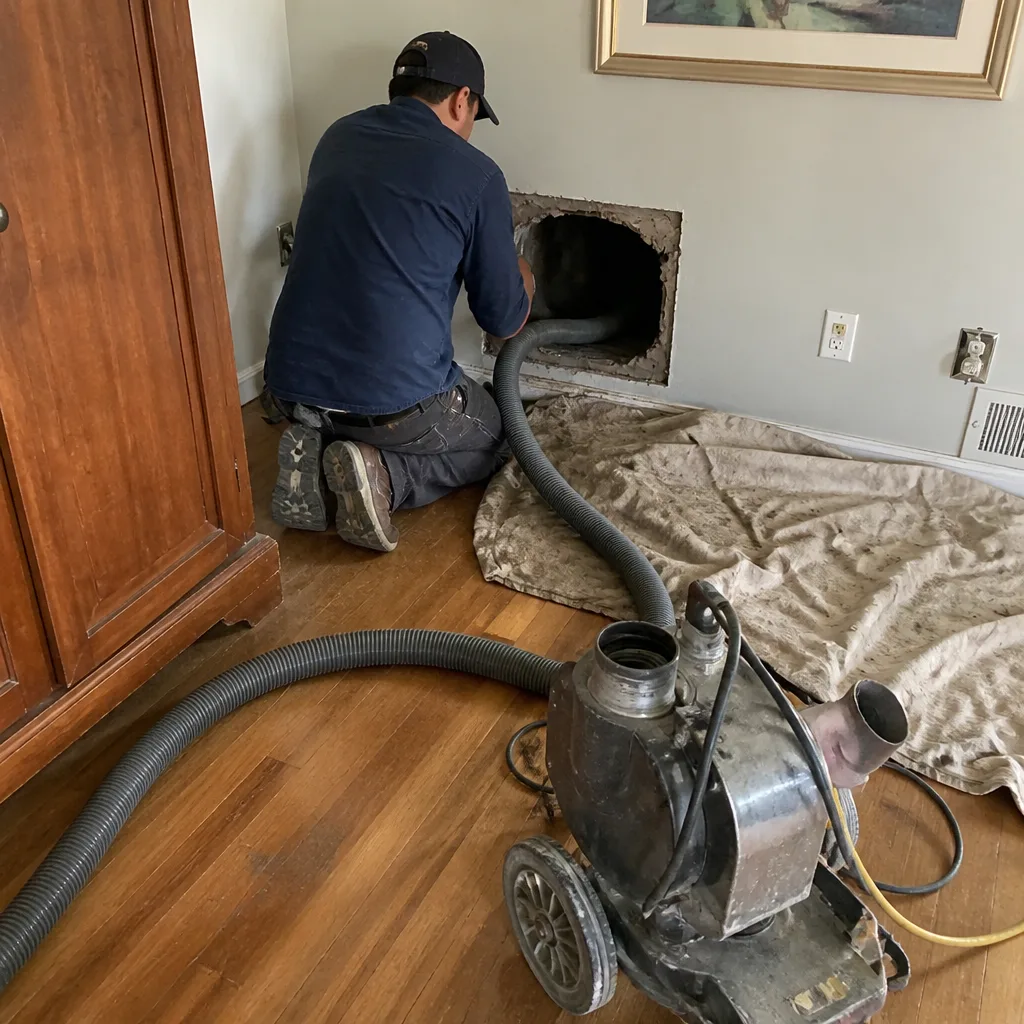 Before
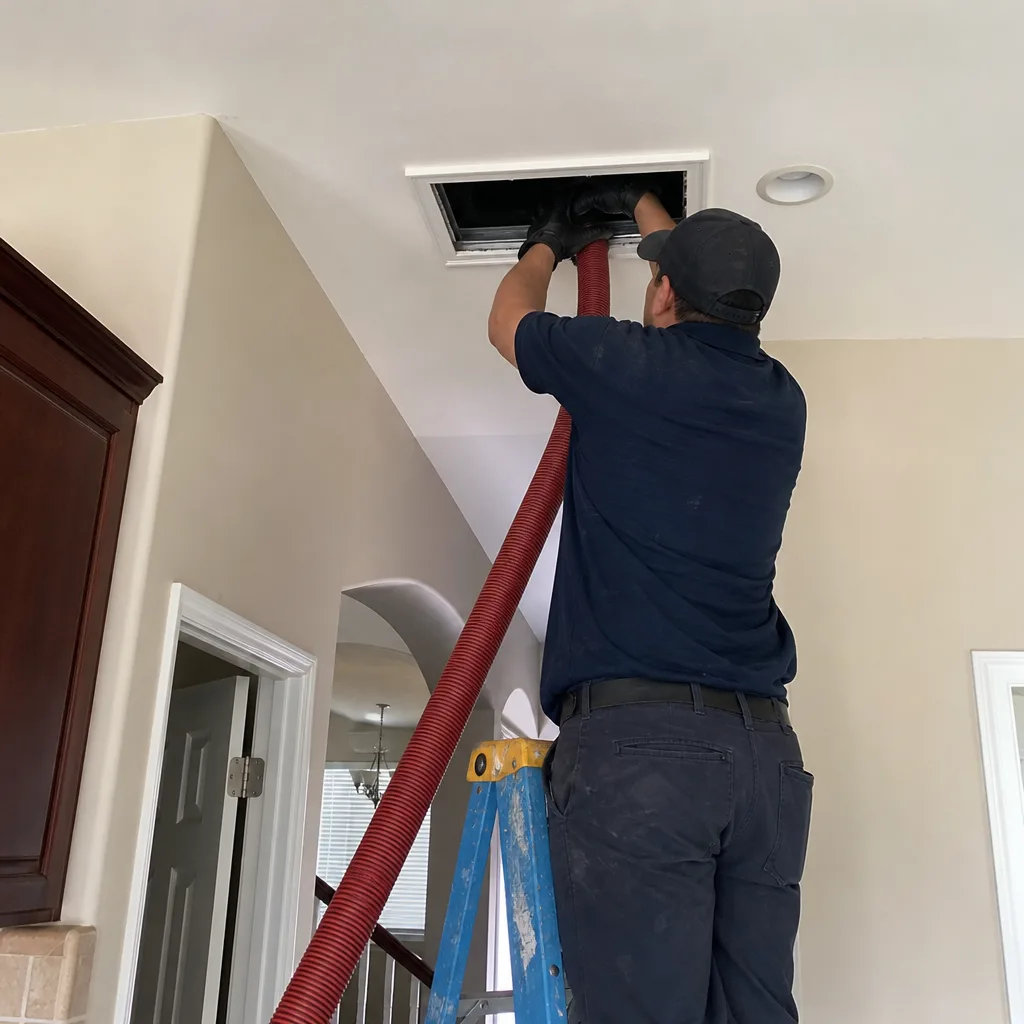 After
When to Call a Professional
Call a professional if you’ve never had your system cleaned and the home is more than five years old, if you see visible dust blowing from registers when the system starts up, if you smell a musty or dusty odor when the HVAC runs, if anyone in the household has unexplained respiratory symptoms, if you’ve recently completed renovation work, or if you suspect rodent activity in the ducts. These are not situations where a weekend DIY project will solve the underlying problem, and several of them get worse with delay. Duct Cleaning Cupertino offers free estimates in Cupertino. Call (877) 542-8668 to schedule an assessment or ask specific questions about your system.
Frequently Asked Questions
Professional air duct cleaning in Cupertino typically costs between $450 and $850 for a single-family home, depending on system size, number of registers, and accessibility. Homes with complex duct layouts, post-renovation contamination, or rodent intrusion may run higher. Call (877) 542-8668 for an exact quote based on your specific system, estimates are free.
DIY is worth doing for register face wipe-downs, filter maintenance, and basic visual inspections between professional cleanings. It is not worth doing as a substitute for professional cleaning, because consumer tools can’t reach the trunk lines where most contamination accumulates. A maintenance mindset paired with periodic professional service delivers the best long-term results.
Most Cupertino homes benefit from professional air duct cleaning every 3 to 5 years, depending on household composition and local conditions. Homes with pets, residents with allergies, or recent renovation work may need it more frequently. Homes with current filtration and regular register maintenance can extend toward the longer end of that range.
Low-cost quotes typically mean the company is not using professional-grade equipment, not providing negative-pressure containment, and not actually cleaning the full duct system. The price difference reflects equipment quality, scope of work, and whether verification of results is provided. A legitimate full-system cleaning takes hours and requires specialized machinery, and that costs real money. Call (877) 542-8668 to understand exactly what’s included in our service scope.
The answer is before-and-after documentation. A professional cleaning company will provide photos or video from your own duct system showing the condition of the trunk lines and branch lines before and after the service. You should see the evidence, not just take someone’s word for it.
Cupertino’s dry Mediterranean climate means the HVAC system gets heavy use in summer and winter, with windows typically closed for temperature control from June through October and December through February. Closed windows mean more recirculation of indoor air, concentrating the load on ducts and filters. The dry season also means less natural flushing via open windows, so dust settles faster in the duct system and stays there.
The Bottom Line
The honest answer to the DIY versus professional question depends on what you’re actually trying to accomplish. If you want to maintain what’s already clean, DIY register wipe-downs and disciplined filter changes fill that role. If you want to clean what’s dirty, you need professional-grade equipment and negative-pressure containment that reaches the full duct system. The middle path, a shop vac and a drill brush in a weekend warrior’s hands, delivers the appearance of cleaning without the substance. For Cupertino homeowners serious about indoor air quality, the smartest play is to handle the maintenance tasks yourself and invest in professional service where it actually makes a difference: the deep system cleaning.
Call (877) 542-8668 for a free estimate, and we’ll walk through what’s realistic for your system, not just sell you a service you don’t need.
Written by the team at Duct Cleaning Cupertino, serving Cupertino since 2015.