
Last updated November 2, 2026
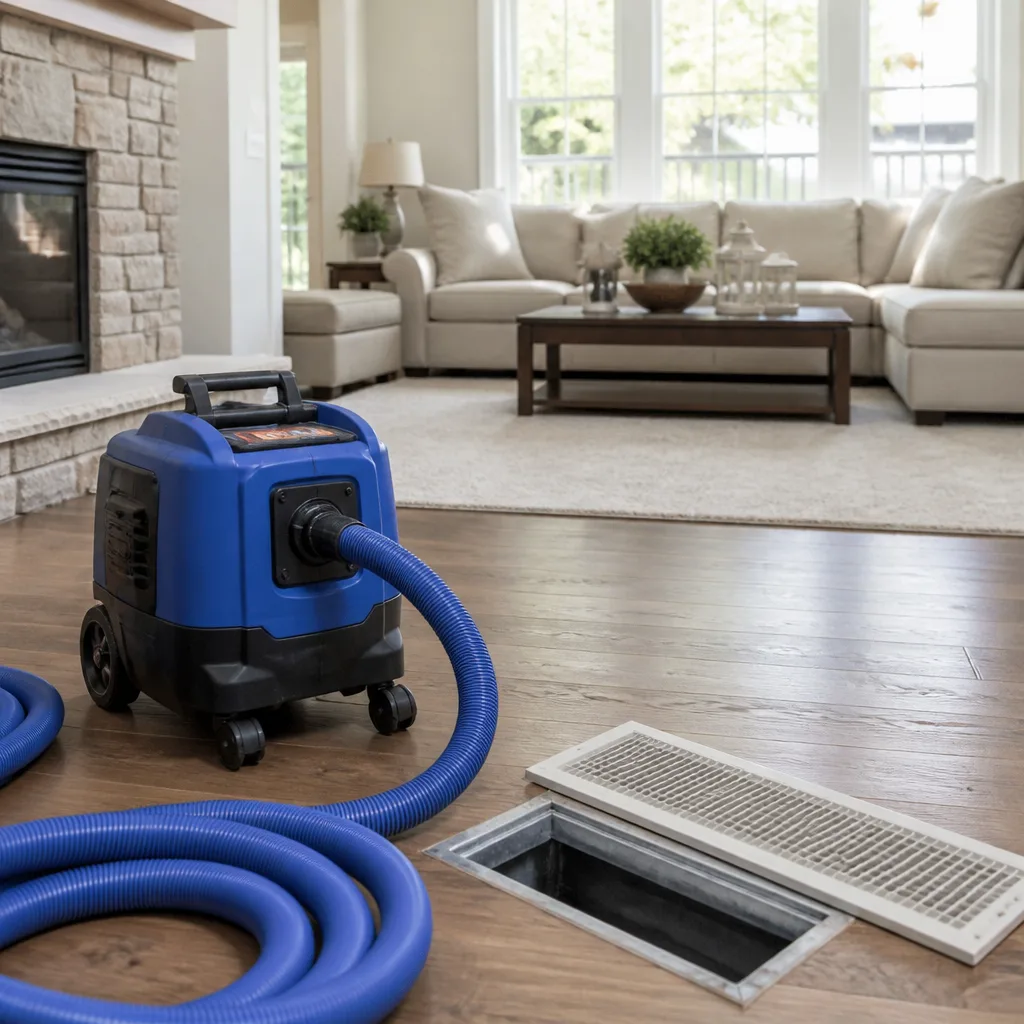 Whole-home duct cleaning
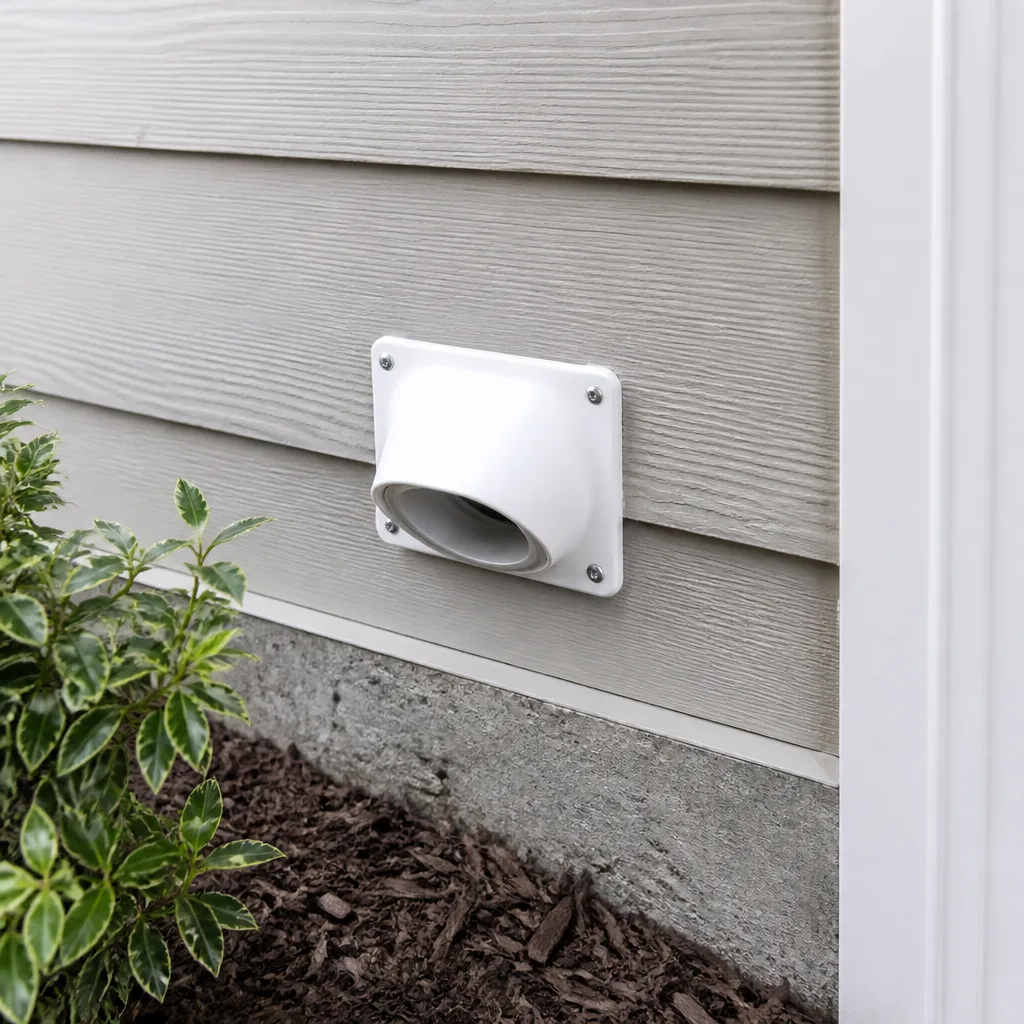 Dryer vent cleaning
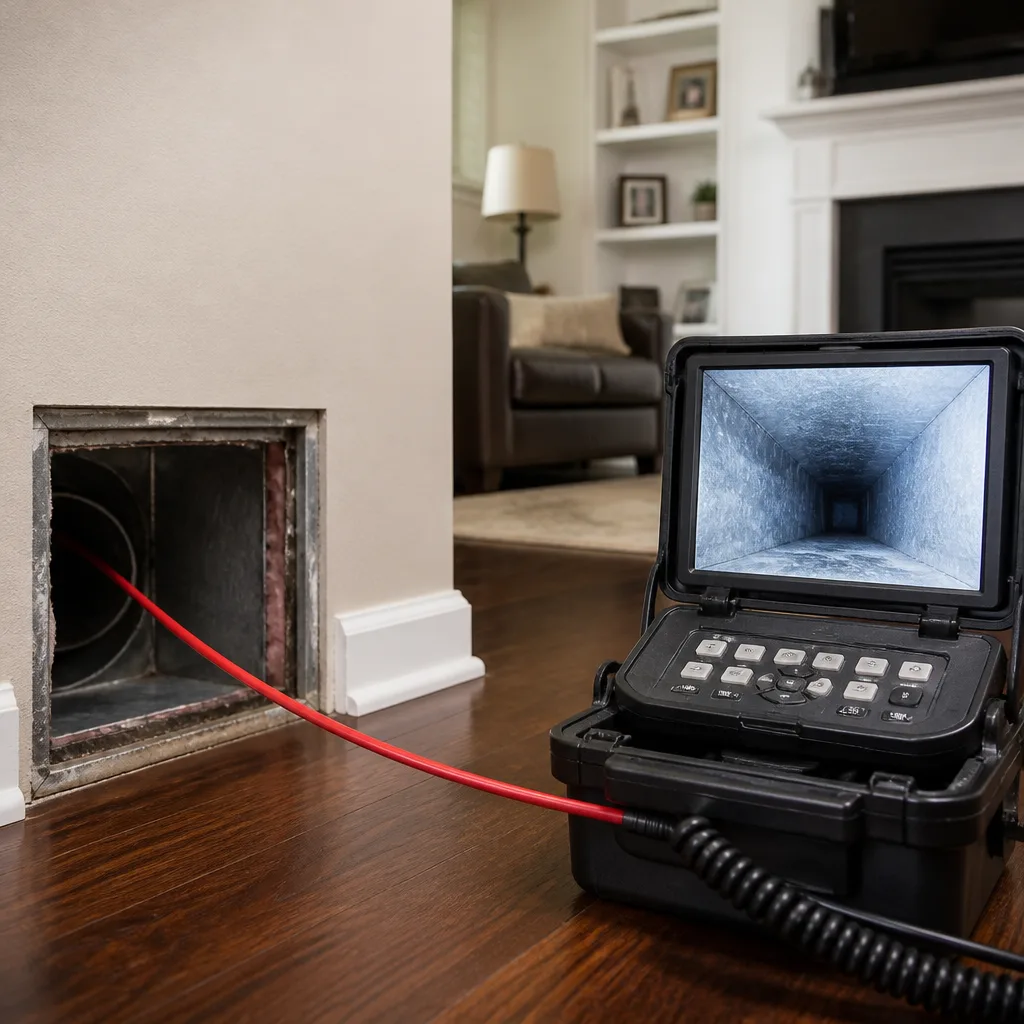 Camera inspection
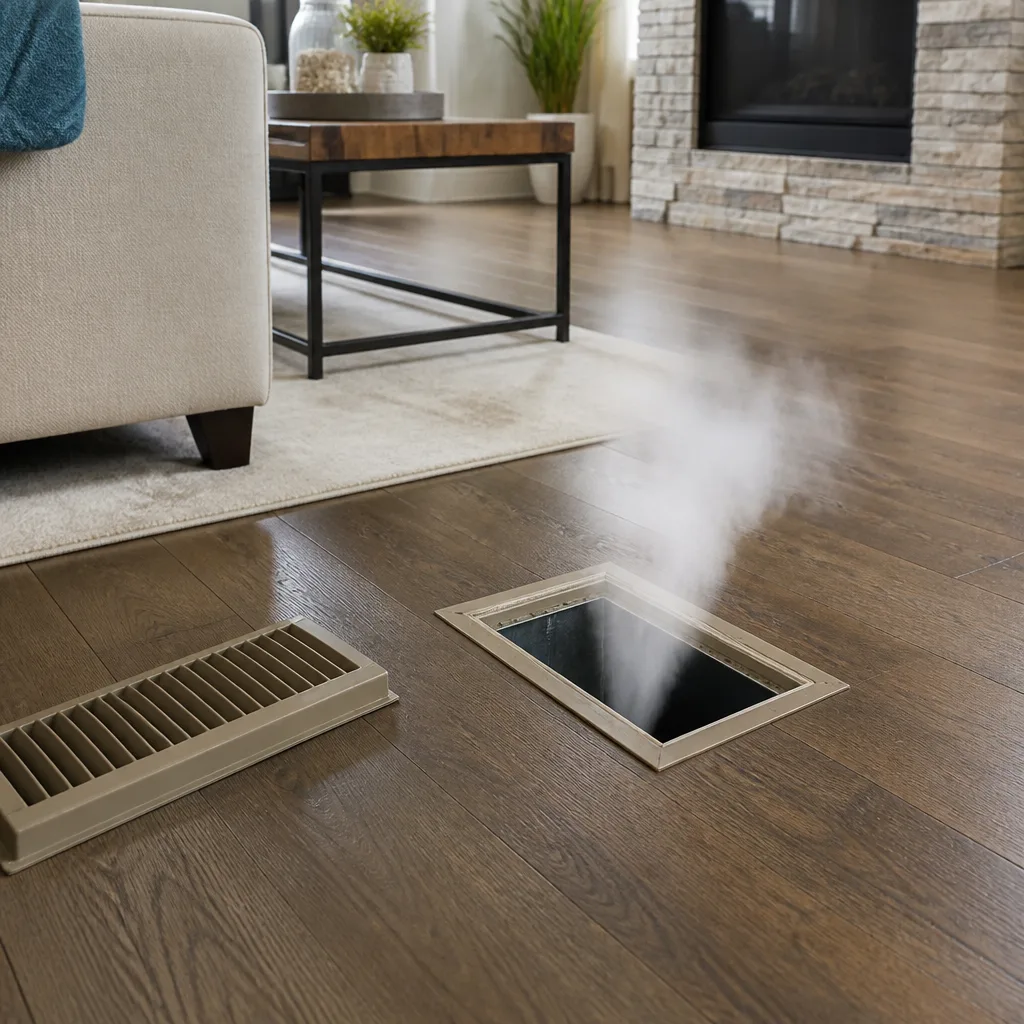 Sanitizing & deodorizing
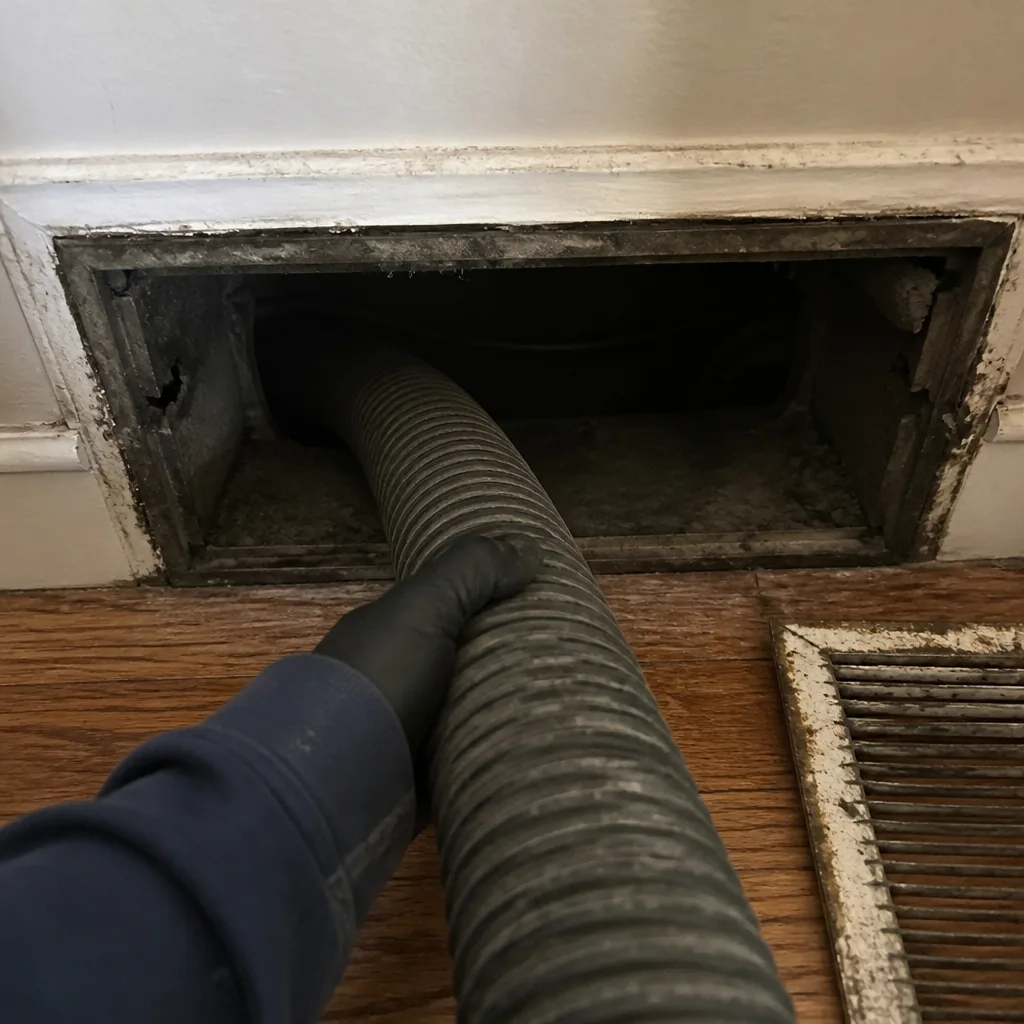
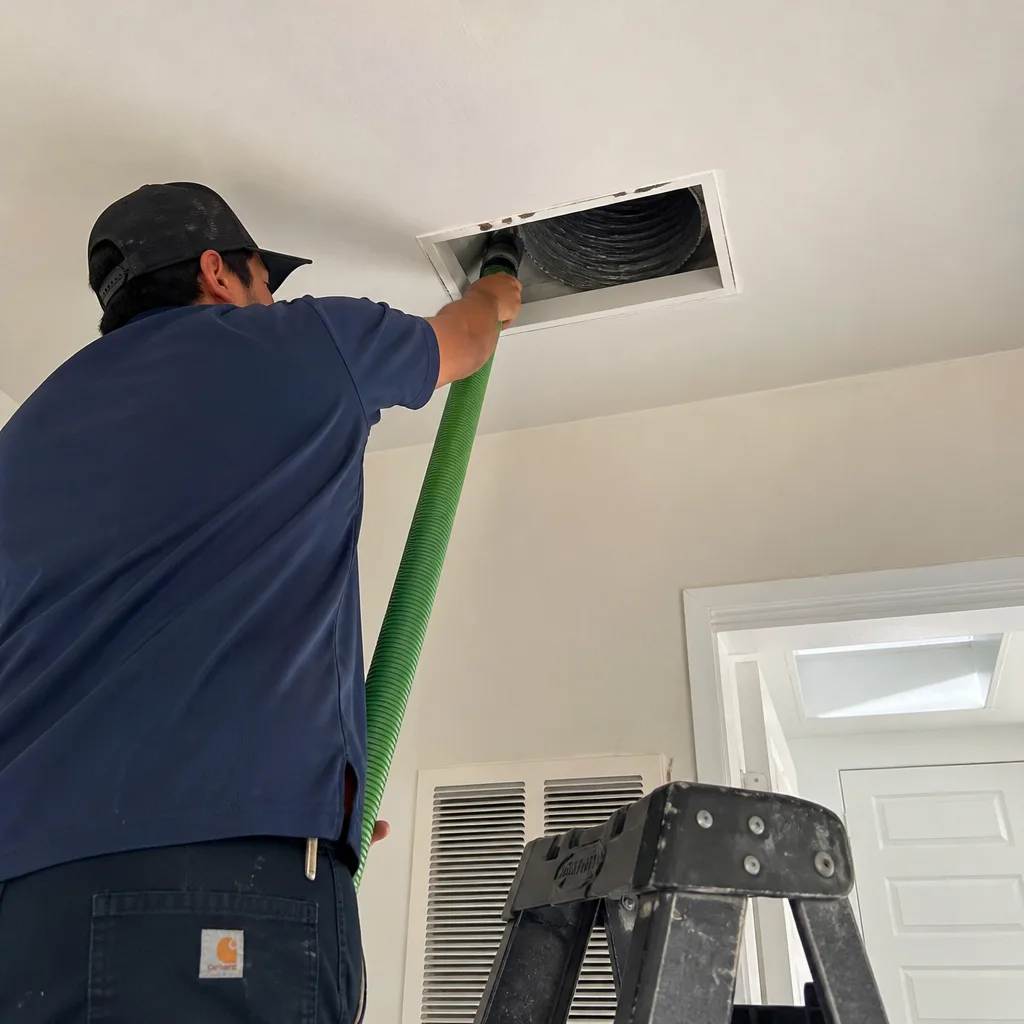
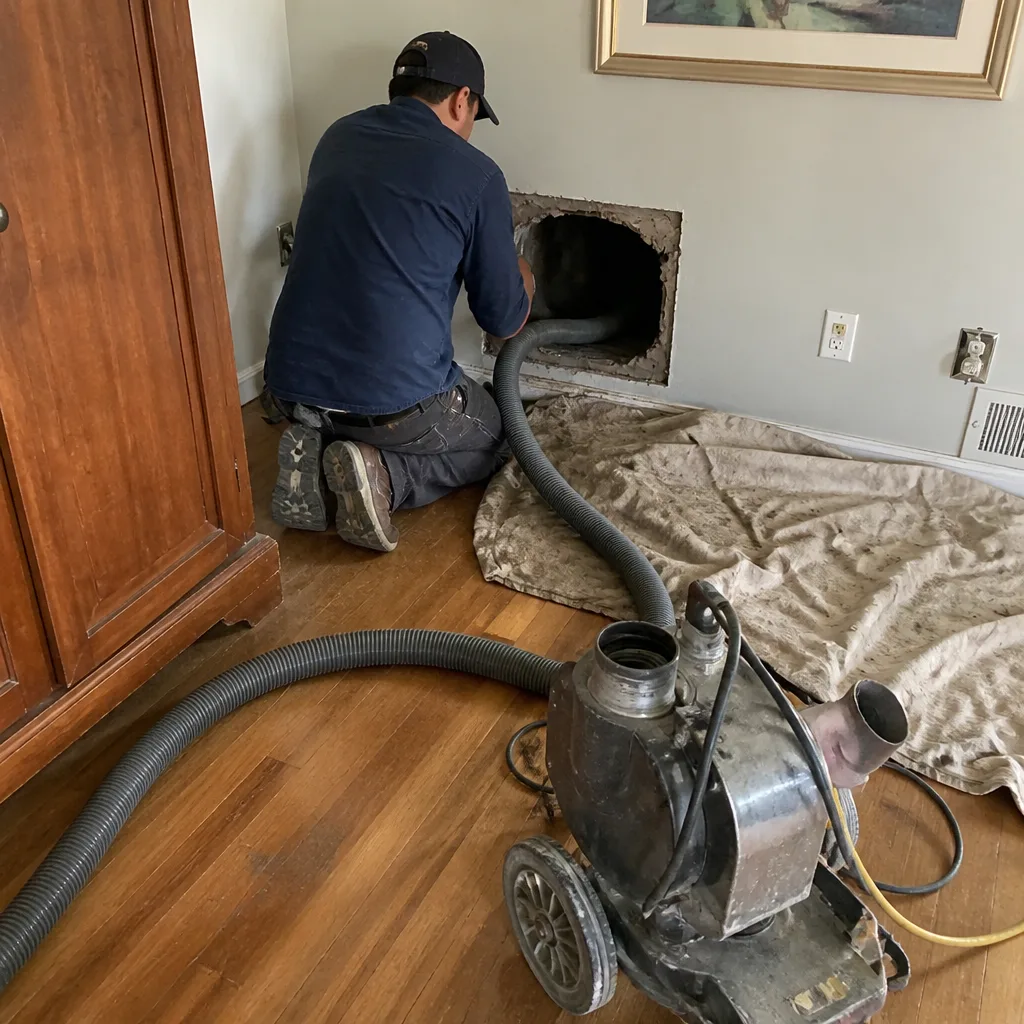
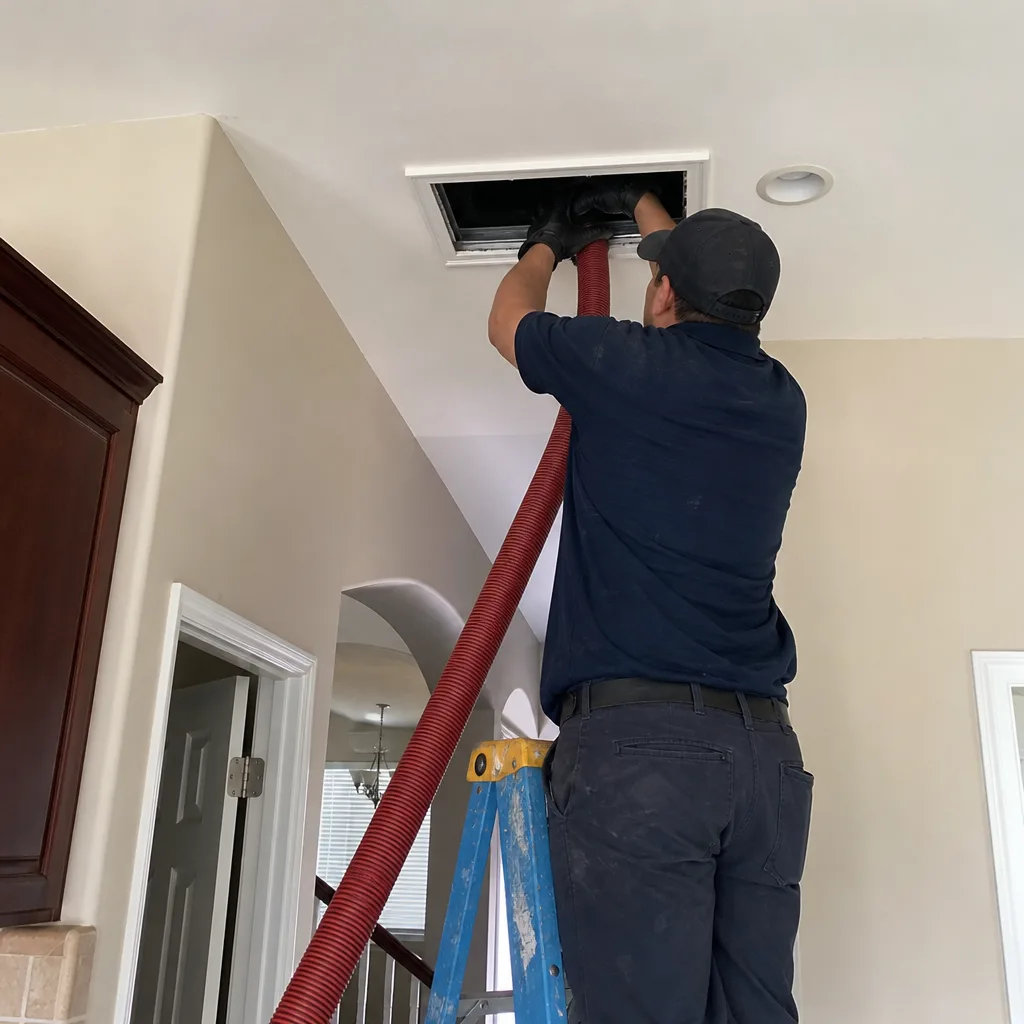
Whole-system duct and dryer vent check with before-and-after photos - you see exactly what came out of your vents
That "$99 whole-house special" is a bait ad - the real number appears once they are in your hallway, or the "clean" is a shop-vac at the register. We photograph the inside of your ducts before and after instead.
Seasonal Air Duct Cleaning Care for Cupertino: Year-Round Homeowner’s Guide
Most seasonal duct maintenance guides follow a neat four-season script: clean in spring, check in fall. But Cupertino doesn’t read that script. A recent fire season brought 47 days of unhealthy AQI to the Santa Clara Valley. When smoke particulate settles inside your ductwork, it doesn’t leave on its own. This guide maps actual seasonal stressors, from wildfire smoke infiltration to Santa Clara Valley pollen loading, against the real Cupertino calendar. You’ll learn what to inspect, when to inspect it, and what genuinely requires Air Duct Cleaning services versus what you can monitor yourself.
Styles & brands we work with
- Whole-home duct cleaning
- Dryer vent cleaning
- Camera inspection
- Sanitizing & deodorizing
Quick Answer
Seasonal air duct cleaning in Cupertino isn’t a predictable twice-a-year ritual. The real schedule follows local events: inspect and clean after wildfire smoke events in late summer and fall, address pollen loading when oak and grass season peaks in spring, and verify system seals and filtration before winter heating and summer cooling cycles. Use local AQI data from PurpleAir and BAAQMD as your trigger, not a generic calendar date.
Table of Contents
- Late Summer and Fall: Wildfire Smoke and What It Leaves Behind
- Winter in Cupertino: Dry Air, Running Heat, and Settled Particulate
- Spring: Santa Clara Valley Pollen and the Return-Side Problem
- Summer: Pre-Cooling-Season Inspection Checklist
- Using Local AQI Data as Your Maintenance Trigger
- How Often Do Cupertino Ducts Actually Need Cleaning?
- Common Mistakes to Avoid
- When to Call a Professional
- Frequently Asked Questions
- The Bottom Line
Late Summer and Fall: Wildfire Smoke and What It Leaves Behind
Wildfire smoke is not normal dust. The ultrafine particles in smoke, measuring 0.3 microns and smaller, behave differently inside duct systems than the household dust you see collecting on a return grille. Standard dust settles. Smoke particulate stays suspended longer, travels deeper into the system, and binds to the thin film of oils and moisture that lines duct interiors. Once bonded, it off-gasses odor for months. In Cupertino, where late-summer winds carry smoke from fires in the Diablo Range and beyond into the valley, this is the single most common reason homeowners call us after a fire season when they haven’t experienced a fire nearby.
After a significant smoke event, meaning several consecutive days where AQI exceeds 150, run this five-minute check:
- Replace your HVAC filter regardless of when it was last changed. Smoke loads filters at an accelerated rate. A filter that normally lasts 90 days can be saturated in two weeks.
- Inspect the return grille for gray or brown streaking. This indicates smoke-laden air has been pulled through the system.
- Wipe a white cloth across the inside of a supply register in a room farthest from the air handler. If it comes back gray or smells smoky, particulate has reached the supply side.
- Note any lingering smoke odor when the system cycles on, especially during the first minute of airflow. This points to particulate settled on the blower or inside the return plenum.
Post-event cleaning requires negative-pressure containment so loosened particulate doesn’t recirculate into living spaces. Abatement Technologies equipment achieves this by maintaining the duct system under vacuum during the entire cleaning process. For Cupertino homeowners, this matters because smoke particulate is precisely the material you don’t want blown back through a supply register in a bedroom.
For a deeper look at how we approach this service specifically for Cupertino’s air quality patterns, see our Air Duct Cleaning in Cupertino page.
Winter in Cupertino: Dry Air, Running Heat, and Settled Particulate
Cupertino winters are mild by national standards, but the relative-humidity shift matters. Outdoor humidity can drop into the 20-30% range for weeks. Inside a running heating system, that dry air changes how particulate behaves in ducts. Dust that would normally stay tacky and bound to duct surfaces dries out, breaks free, and becomes airborne with every blower cycle. Homeowners notice this as a thin dust layer on furniture that returns within days of cleaning, or as dry air that irritates the throat even when the thermostat hasn’t changed.
Heating season also concentrates runtime into long, continuous cycles, especially overnight. A system that cycles on and off twelve times per hour in August might run for forty consecutive minutes in January. That extended runtime means the entire duct volume is stirred repeatedly. Particulate that settled in low-flow areas during fall gets pulled back into circulation. Three things Cupertino homeowners should do by late December:
- Check the full return-air path. Walk to every return grille in the home. If you don’t know where they are, find them now. A single blocked return, common when furniture gets rearranged for the holidays, will throw off system pressure and pull air from unintended gaps.
- Look at supply register fins. Brown-gray streaking on white painted registers means particulate is being carried through the supply side. In Cupertino’s dry winter air, this streaking becomes more visible because dust doesn’t clump; it coats.
- Listen for a change in blower pitch. A blower that sounds strained or changes pitch during a cycle is working against restricted airflow, often from buildup on the blower wheel itself.
Dry-air particulate distribution is also the time to consider filtration. Aprilaire whole-home media filters, integrated into the return plenum, capture a higher percentage of small particles than a standard one-inch filter. When we inspect a Cupertino home in winter and find consistent fine dust throughout, we assess filter rack compatibility before cleaning. Air duct cleaning alone won’t solve a filtration gap.
Spring: Santa Clara Valley Pollen and the Return-Side Problem
Anyone who’s lived in Cupertino through April knows the valley’s oak and grass pollen season. What most homeowners don’t realize is how pollen interacts with the return side of the HVAC system specifically. Pollen grains are large, 10 to 100 microns, and sticky. They’re designed to adhere. When pollen is drawn through return grilles, it pastes onto the backs of return registers, the walls of the return plenum, and the leading edge of the coil if the system lacks adequate filtration. Over time, this organic buildup becomes a substrate that holds finer particulate, including dust mites and mold spores.
Spring maintenance in Cupertino centers on the return side. Here’s a numbered walk-through:
- Remove each return grille (they pull straight off or unscrew with Phillips screws) and inspect the back. Green-yellow crust is pollen. It’s astonishingly common in Cupertino homes with oak trees within two blocks.
- Check the area directly behind the return grille. Use a flashlight. Pollen buildup on the first six inches of return duct indicates the system has been operating with a low-efficiency filter or a filter that wasn’t seated correctly.
- Inspect the filter slot and filter frame for a proper seal. A filter that doesn’t sit flush allows pollen-laden air to bypass it entirely through the gap. This is one of the most common issues we find in Cupertino homes during spring inspections.
- Note pollen accumulation on window screens and in window tracks. If your screens are yellow, the indoor pollen load is higher than you think, and the HVAC system has been circulating it.
Pollen season is also the clearest illustration of why filter upgrades matter. A standard one-inch fiberglass filter catches larger pollen grains but lets smaller grass pollen fragments through. For Cupertino homes where a family member has spring allergies, upgrading to a higher-MERV media filter and resealing the filter slot can reduce pollen recirculation more effectively than cleaning alone. Our approach to duct cleaning in Cupertino accounts for what’s actually in the system, which in spring means organic pollen mass, not just dust.
Summer: Pre-Cooling-Season Inspection Checklist
Cupertino summer days regularly cross 90 degrees. The cooling season runs from May through October. A duct system carrying 55-degree air through a 150-degree attic in a ranch home on the valley floor is under real thermal stress from day one. Pre-season inspection prevents the two most common summer failures: a supply duct that has separated in the attic and a return path that’s pulling unconditioned air from outside the envelope.
Run this checklist by late April before peak cooling demand:
- Check every supply register while the fan runs. If airflow in one room is noticeably weaker than adjacent rooms, the duct serving that room may be disconnected, kinked, or crushed. Don’t assume a weak room is normal.
- Walk the attic access point. Look for fiberglass particles or dust around the attic hatch after the system has run for ten minutes. Separated ducts often push conditioned air into the attic, which stirs insulation and sends particles into the living space through ceiling gaps.
- Set the thermostat to fan-on and stand at each return. A return that’s pulling less air than it should means the system is compensating by drawing from unintended sources, typically the attic or crawlspace. That air is unfiltered and hot.
- Inspect the condensate line. While this is an HVAC component, not a duct, a clogged line raises indoor humidity, which makes airborne particulate stickier and more likely to adhere to internal coils and blower assemblies, compounding any existing duct buildup.
If you find a separated duct or a crushed flex section during this check, that’s an Air Duct Repair in Cupertino job, not a cleaning issue. Repair before cleaning. Cleaning a system with an active separation means pushing air into an attic and pulling attic air back in, which defeats the purpose of the cleaning itself.
Using Local AQI Data as Your Maintenance Trigger
Forget seasonal calendars. Cupertino’s actual maintenance calendar comes from air quality data. Two local tools provide the signal: PurpleAir’s real-time sensor map, which shows hyperlocal readings down to individual neighborhoods, and the Bay Area Air Quality Management District forecasts, which project conditions out several days. Both are free.
Here’s how to translate local AQI into action:
- AQI 0-50 (Good): No trigger. Continue normal operation. Change filters on the regular schedule.
- AQI 51-100 (Moderate): For sensitive individuals, note the source. If the source is pollen, begin the spring return-side inspection. If it’s ozone or traffic particulate (common along De Anza Blvd and Stevens Creek corridors during commute hours), no immediate duct action needed, but note the pattern.
- AQI 101-150 (Unhealthy for Sensitive Groups): Inspect the filter. If your household includes anyone with asthma, allergies, or respiratory conditions, consider upgrading filtration before the season deepens. If the source is smoke, begin noting accumulation around returns.
- AQI 150+ (Unhealthy): This is a smoke event. Run your system fan continuously to filter through whatever filter you have, but understand that after this resolves, your system has taken on a smoke load. Replace the filter immediately and schedule a duct inspection. Several consecutive days above 150 is when we recommend a full cleaning.
In our experience with Cupertino homes, the biggest mistake is treating a 150+ AQI smoke week as a one-off event and never inspecting the system afterward. Smoke particulate doesn’t dissipate. It stays in the ducts. You’ll smell it on the first hot day of the following summer when the system runs long cooling cycles and the residual particulate outgasses.
How Often Do Cupertino Ducts Actually Need Cleaning?
The national answer is every 3-5 years. The Cupertino-specific answer is event-driven. A home in the flatlands near Stelling Road with mature oaks on the property will show meaningful pollen and dust accumulation faster than a condo in a newer development off Stevens Creek with sealed ductwork and central filtration. The National Air Duct Cleaners Association recommends cleaning every 3-5 years for most homes, but that assumes a typical suburban environment with moderate outdoor air quality. Cupertino’s combination of construction dust from ongoing development, seasonal wildfire smoke exposure, and valley pollen loading pushes real-world intervals shorter for many homes.
Here’s what we actually see in the field, using local context rather than generic averages:
- Newer construction (5 years old or less): These systems are often loaded with construction dust, drywall compound dust, and debris from the original build, regardless of how clean the finished home appears. A single cleaning in year 1-2 is reasonable, after which the system starts fresh.
- Homes with pets and children: Expect the 3-4 year range. Pet dander and hair are heavier particulate and dander binds to duct surfaces differently than fine dust.
- Homes near active construction: Cupertino has seen steady development, and if you live within half a mile of active grading or framing, your system is pulling construction particulate. The 3-year interval applies.
- Homes with known allergies or respiratory conditions: More frequent attention to filtration and return-side cleanliness is warranted. Duct cleaning every 3 years plus upgraded filtration is the practical standard.
- After any significant smoke event: Schedule an inspection regardless of the calendar. This overrides all other intervals.
If you’ve never had your ducts cleaned and the home is more than seven years old, the system carries whatever every previous owner left in it. That’s the starting point, not a formula.
Common Mistakes to Avoid
- Trusting the calendar instead of local conditions. “It’s spring, time to clean” doesn’t work when spring pollen is weeks late after a dry winter. Use AQI and visual inspection, not dates. A neighbor’s schedule tells you about their house, not yours.
- Assuming the HVAC filter handles everything. The filter catches new incoming particulate. It does nothing for buildup already settled inside the return plenum, blower, and supply ducts. You can’t filter your way out of existing duct loading.
- Cleaning a system with an active leak first. In Cupertino ranch homes with flex duct in hot attics, separations are common. Cleaning before repair pushes air into the attic and pulls attic air back in. Repair first. Always.
- Ignoring the return side entirely. Homeowners fixate on supply registers because that’s where dust appears. But in Cupertino’s pollen-heavy spring, the return side carries the bulk of the organic load. Clean supply registers alone are not evidence of a clean system.
- Using low-efficiency fiberglass filters during smoke or pollen season. You’re leaving two-thirds of the protective value on the table. A media filter upgrade is the single highest-impact change you can make without cleaning.
- Believing a low quote without understanding what’s included. Some companies advertise a per-vent price that balloons once a technician arrives and determines the system is “more complex than expected.” Any professional should be able to quote a whole-system flat price from a phone call or short walkthrough.
- Waiting until you smell something. Odor from ducts means you have a sustained particulate load, often compounded by moisture or heat. If you can smell it, it’s been accumulating for a long time.
When to Call a Professional
Call a professional when you see smoke-related streaking on registers after a fire season, when you smell a persistent odor from the system that changes with the blower cycle, when you find mold growth or moisture staining around the return side after wet winters, or when one room’s airflow has dropped noticeably and simple register adjustment doesn’t resolve it. If you have moved into a home where the previous owner had pets and you can smell pet odor when the heat runs, that’s another clear trigger. Duct Cleaning Cupertino offers free estimates in Cupertino, and we’re happy to tell you if cleaning isn’t warranted. Sometimes the honest answer is that your system is clean and the problem is elsewhere, like a failed seal or a drain pan. Honesty beats a service you didn’t need. Call (877) 542-8668 to schedule a walkthrough or ask us questions about what you’re seeing.
Frequently Asked Questions
Whole-system air duct cleaning in Cupertino typically runs between $450 and $850 for a standard single-family home, depending on system size, number of returns, and accessibility. That’s a flat price for the entire system, not a per-vent quote that grows when the technician arrives. If someone quotes you $99 for whole-home duct cleaning, you will pay more before that van leaves the driveway. Call (877) 542-8668 for an exact quote; estimates are free and we give you a firm number before scheduling.
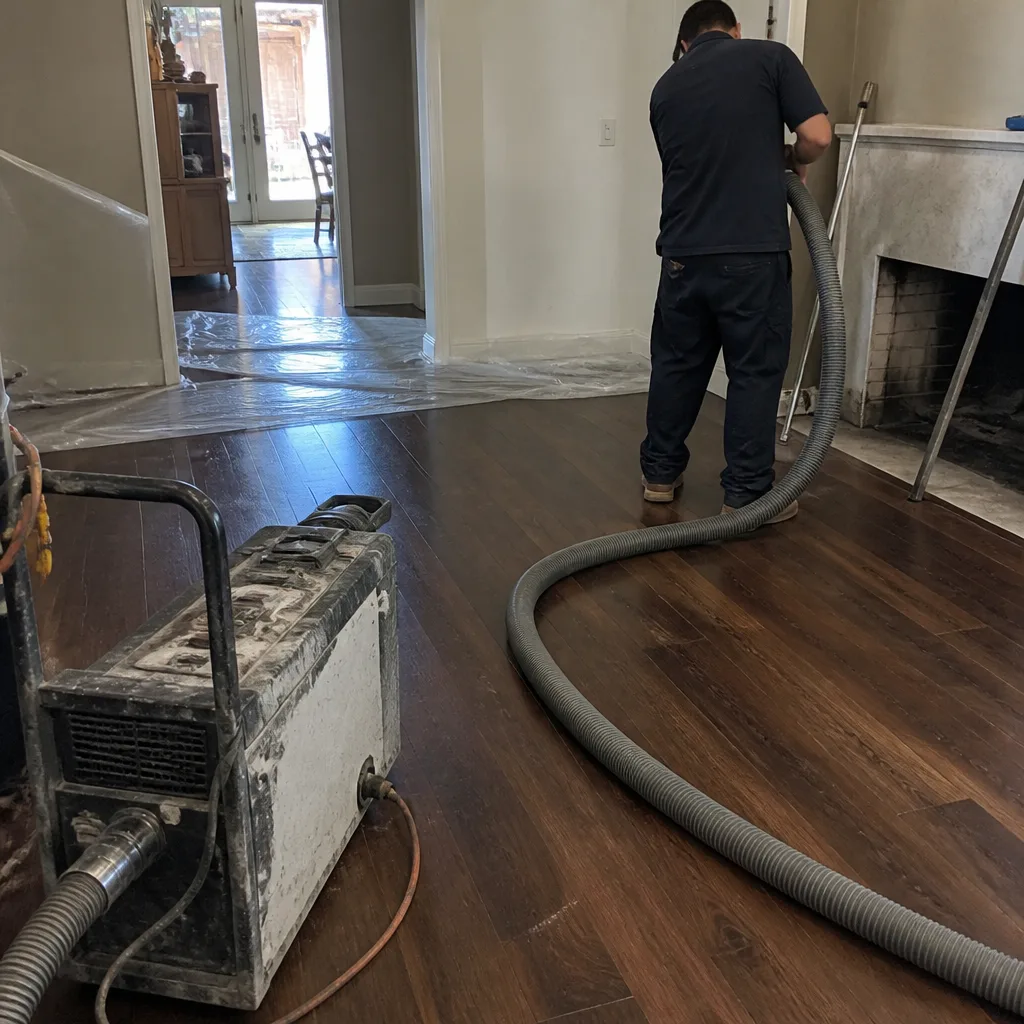
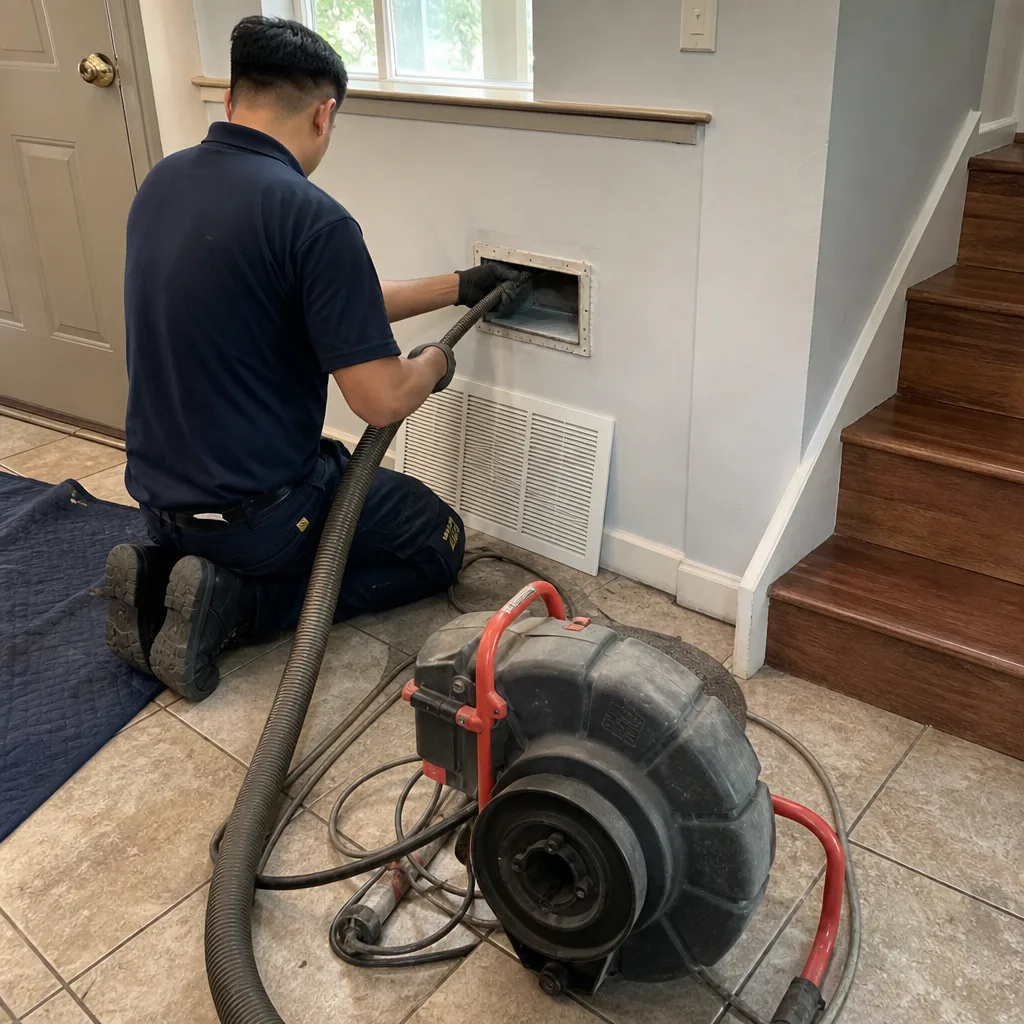
Low quotes usually reflect scope. A company offering a per-vent price is counting on you not knowing how many vents you have. Others run a vacuum through the supply registers without cleaning the return side or the main trunk line, which is where most of the accumulated mass actually sits. Equipment matters too. Purpose-built systems like the Rotobrush and Nikro units we run are designed to agitate and extract under negative pressure. A consumer shop vacuum with a brush attachment is not the same service, regardless of the advertised price. When comparing quotes, ask what equipment is used and whether the return plenum and main trunk are included. Call (877) 542-8668 and we’ll walk you through what a proper cleaning covers.
The industry-standard verification is before-and-after photography of the interior of the ductwork. Any professional company should provide these photos, taken from the same positions inside the system, so you can see the difference. Request them in your estimate. We photograph the return plenum, main trunk, and a sample of supply branches, then provide the shots after the job. You should never sign off on a cleaning where the only evidence is a receipt. The work is either visible or it didn’t happen. Call (877) 542-8668 if you have questions about what proper verification looks like.
Yes. You don’t need an open window to draw smoke particulate into a duct system. Smoke-laden outdoor air infiltrates through wall penetrations, the attic, the crawlspace, and every gap in the envelope. The HVAC system then pulls that air in through the return path, with or without your windows open. What’s worse, Cupertino homes built in the 1960s and 1970s often have return plenums assembled from existing wall cavities, which pull air from unconditioned spaces. Those systems ingest smoke from the attic and interstitial spaces directly. Sealing the house helps. It does not stop smoke infiltration entirely. After a major smoke event, inspect and replace filters, then assess whether a cleaning is warranted. Call (877) 542-8668 for a free post-smoke-season evaluation.
Cupertino’s Mediterranean climate produces a wet-dry swing that concentrates particulate and drives it through the system each season. Late summer smoke adds a particulate load that never appears in most national guides. Winter low humidity frees dust that would stay bound in more humid climates. Spring oak and grass pollen storms coat return sides. Summer heat stress on flex duct in attics accelerates material degradation and leaks. Combined, these factors make Cupertino a schedule-of-conditions market, not a clock market. A home three miles east near the hills may need attention before a home near the center of town, simply due to tree cover and air movement. For more on this, see our guide to seasonal care above and Duct Cleaning Cupertino home for an overview of how we approach the local air. Call (877) 542-8668 to discuss your specific situation.
Dryer vent cleaning is a fire-safety service because the failure mode is combustible. Lint accumulation restricts airflow, the dryer’s high-limit thermostat cycles against a hotter drum, and the lint itself is a fuel source. The National Fire Protection Association identifies dryers as a leading cause of residential fires, with the overwhelming majority linked to accumulated lint in the vent. That’s not marketing language; it’s failure data. A generalist HVAC company that offers dryer vent cleaning as a side service won’t carry the same dedicated equipment or perform the same verification checks, including airflow readings at the exterior termination. We treat Dryer Vent Cleaning in Cupertino as a standalone fire-prevention service with its own process. Call (877) 542-8668 for a flat-price quote.
The Bottom Line
Cupertino’s seasonal duct care doesn’t follow the national template. You’re managing wildfire smoke particulate in late summer and fall, dry-air dust recirculation in winter, oak and grass pollen loading in spring, and pre-cooling inspection in early summer. Your trigger is local AQI data, not a date on a calendar. Your inspection targets the return side first, because that’s where the system concentrates what’s coming into the house. And your priority order, when problems surface, is repair, then filtration, then cleaning. Ducts in good condition with proper filtration don’t need frequent cleaning. Ducts with a separation, a filter gap, or a smoke load do. That’s the distinction that saves Cupertino homeowners money and improves the air they actually breathe. For more guides & resources, visit our blog.
Written by the team at Duct Cleaning Cupertino, serving Cupertino since 2015.
See the difference
 Before
 After
 Before
 After
 Before
 After